Douglas promenade, 7 August 1876 to now
A 3-foot horse tramway along the seafront, still using Victorian and Edwardian cars — and a claim that needs a label.
How this site works. Every fact is in our own words and linked to its source, beside it. Where good sources disagree, we show each version in a “Sources differ” box and do not blend them.
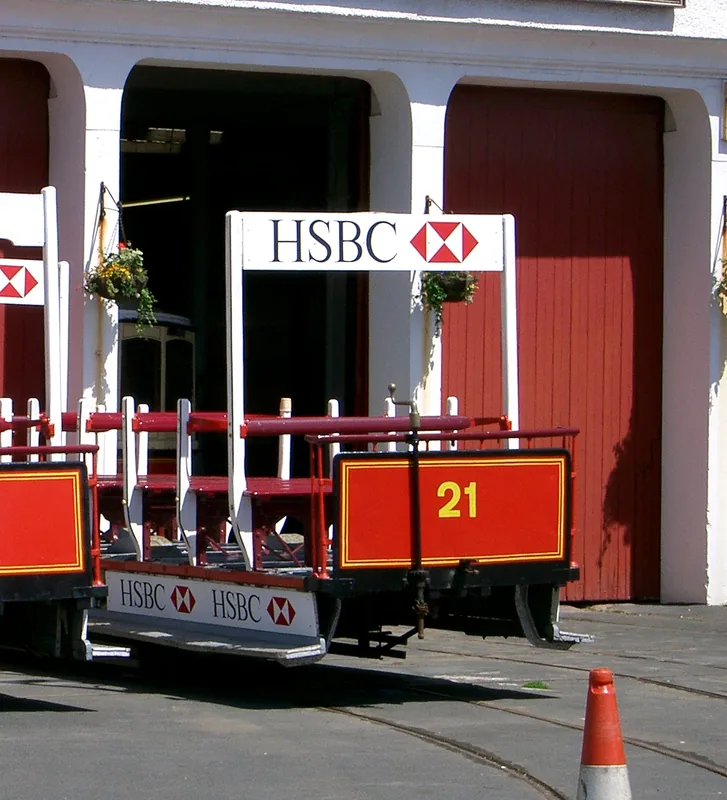
The official operator says the Douglas Bay Horse Tramway opened in 1876, is 1½ miles long, takes about 10 minutes, is built to a 3-foot gauge, and has 15 stations, stops and halts. It still uses original Victorian and Edwardian tramcars, pulled by Clydesdale and Shire horses stabled at Summer Hill during the season. Isle of Man Railways
An official anniversary page says the tramway first opened on 7 August 1876, was initially operated by Thomas Lightfoot, was sold in 1882 to Isle of Man Tramways Ltd, was taken over by Douglas Corporation in 1902, and passed to the Isle of Man Government in 2016, which still operates it. Isle of Man Railways
How it began
The Trust’s history page says the line was founded by Thomas Lightfoot; that a single 3-foot track had been built by the summer of 1876 from the Iron Pier (then at the foot of Broadway) to Burnt Mill Hill, now Summer Hill; that three cars were ordered from the Starbuck Car & Wagon Company — two open-top double-deckers and a single-deck saloon; and that Highroads surveyor James Garrow inspected the line on 7 August 1876, the day the Trust believes passenger service began. Tramway Heritage Trust
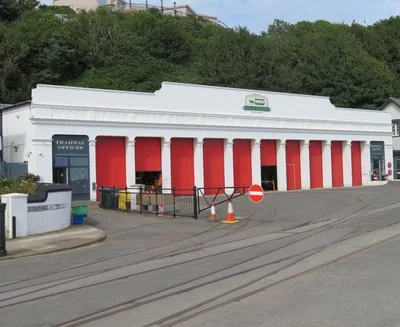
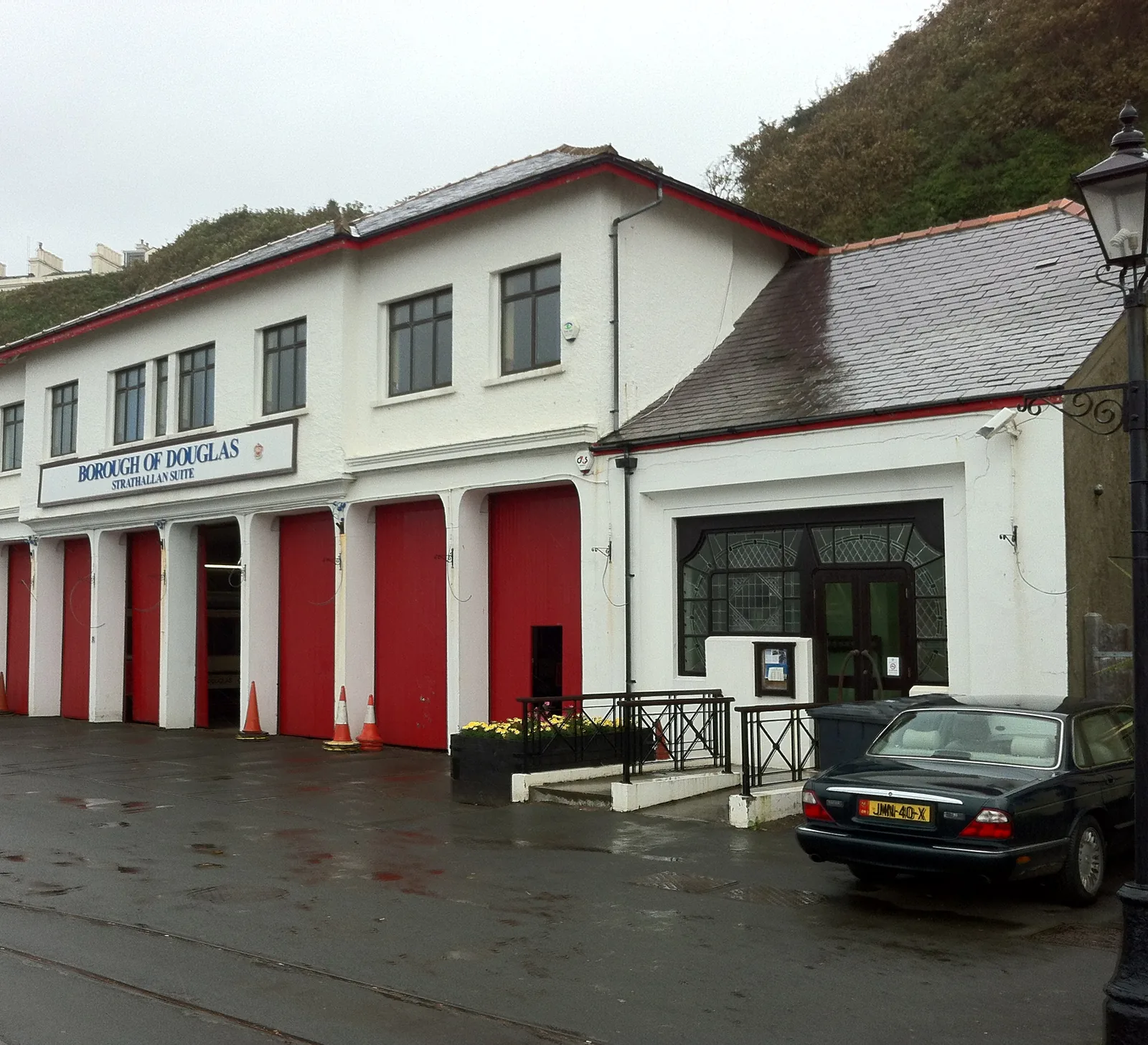
The Trust says the original stables, dating from 1877, are a listed building and are still used in the operating season, and that fourteen original Victorian and Edwardian tramcars remain, among them open-sided cross-bench cars, enclosed saloons and a double-decker, built between 1883 and 1913. Tramway Heritage Trust
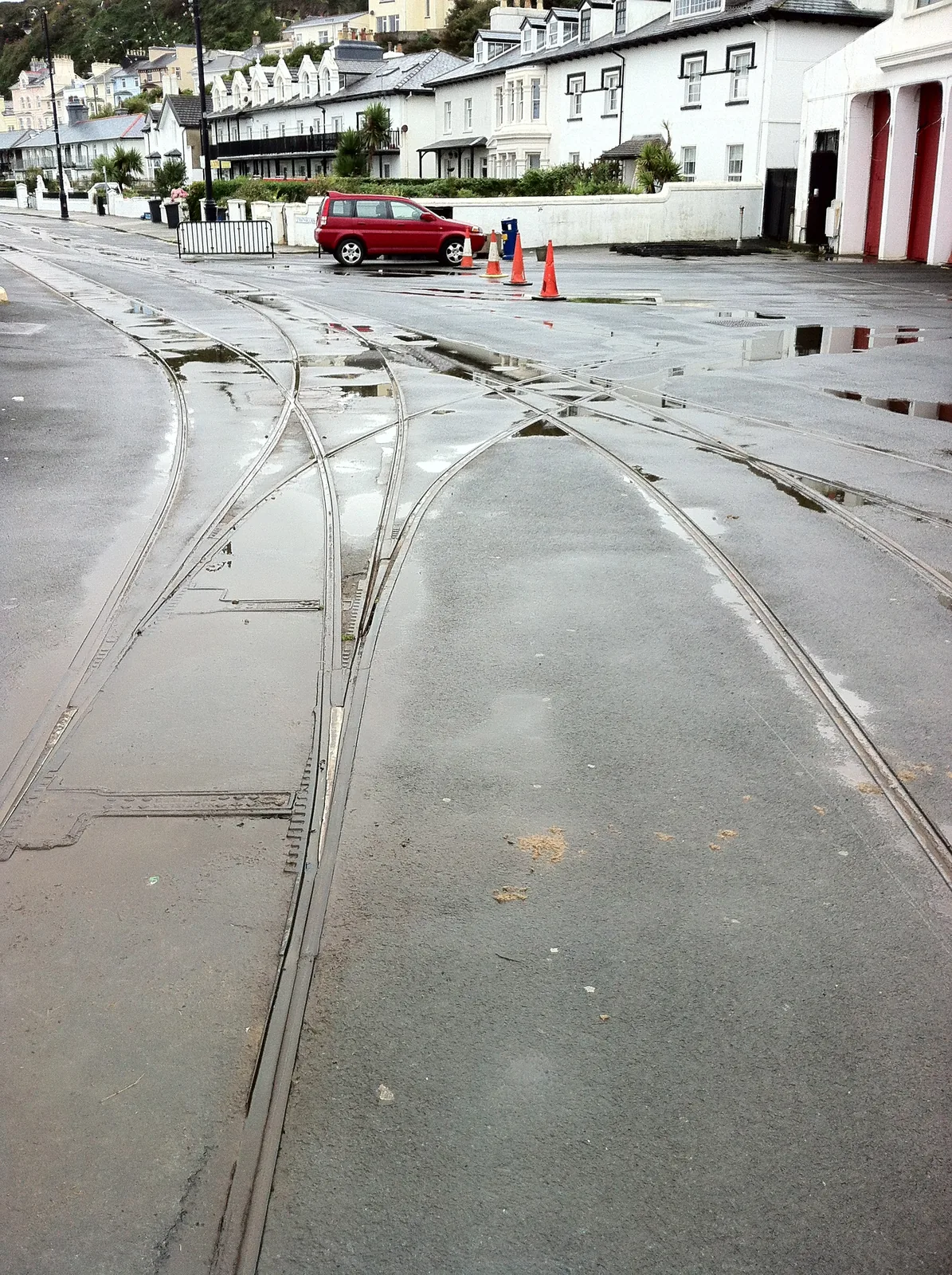
The tracks in the road are part of the point. This is a street tramway, not a countryside branch. Derby Castle, at the north end, is also the terminus of the Manx Electric Railway. Isle of Man Railways